
Brandmeldeanlage Tempelhof-Schöneberg: Effektiver Brandschutz

Der Bezirk Tempelhof-Schöneberg in Berlin ist bekannt für seine historische Architektur und lebendige Kulturszene. Doch wenn es um Brandschutz geht, steht dieser Stadtteil ebenfalls im Rampenlicht. Eine effektive Brandmeldeanlage spielt eine entscheidende Rolle, um die Sicherheit von Bewohnern und Gebäuden zu gewährleisten. Gerade in dicht besiedelten urbanen Gebieten ist eine zuverlässige Brandmeldung ein Muss, um schnelle Reaktionen auf mögliche Brandereignisse zu ermöglichen. Im Folgenden beleuchten wir die Bedeutung moderner Brandmeldeanlagen im Bezirk Tempelhof-Schöneberg und wie sie dabei helfen, Leben zu schützen.
Hinweis zu AI-generierten Inhalten: Die Inhalte dieses Blogs werden mithilfe fortschrittlicher künstlicher Intelligenz erstellt. Obwohl wir uns bemühen, Ihnen stets präzise und nützliche Informationen zu bieten, kann es vorkommen, dass Fragen oder Unklarheiten bestehen bleiben. In solchen Fällen stehen Ihnen unsere Experten gerne zur Verfügung. Zögern Sie nicht, uns über die unten aufgeführten Kontaktmöglichkeiten zu erreichen. Unsere Spezialisten sind wahre Kenner ihres Fachs und helfen Ihnen gerne weiter!

Kontaktmöglichkeiten:

Feedback-Formular: Formular Ausfüllen
E-Mail: vertrieb@graef-gruppe.de
Telefon: +493069202294
Wir freuen uns auf Ihre Rückfragen und darauf, Ihnen bei jedem Anliegen behilflich zu sein!
Wie funktioniert eine moderne Brandmeldeanlage im Bezirk Tempelhof-Schöneberg?
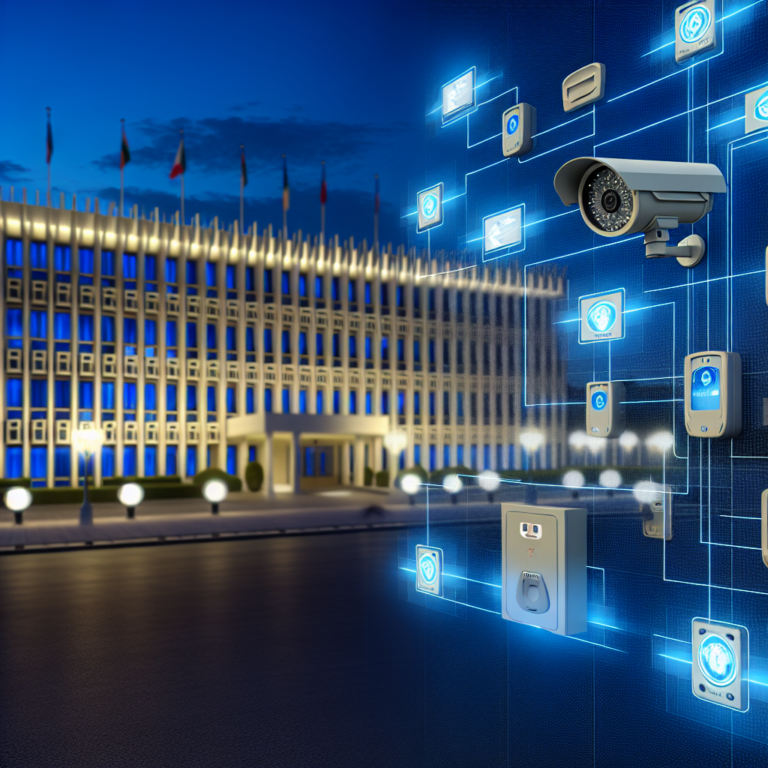
Moderne Brandmeldeanlagen sind complex Systeme, die aus mehreren Komponenten bestehen. Sie arbeiten zusammen, um frühzeitig auf Anzeichen von Feuer oder Rauch hinzuweisen. Zu den Hauptbestandteilen gehören Rauchmelder, Hitze- und Flammensensoren sowie Alarmsysteme, die automatisch die Feuerwehr benachrichtigen können.
Wichtige Merkmale einer Brandmeldeanlage
Brandmeldeanlagen im Bezirk Tempelhof-Schöneberg verfügen über folgende Merkmale:
- Rauch- und Hitzesensoren: Diese Sensoren erkennen Anomalien und senden sofort ein Signal an die zentrale Steuereinheit.
- Automatische Alarmierung: Bei Auslösung eines Alarms wird die Feuerwehr automatisch benachrichtigt, was wertvolle Zeit spart.
- Künstliche Intelligenz: Einige Systeme nutzen fortschrittliche Algorithmen zur Identifikation falscher Alarme und zur Verbesserung der Reaktionszeiten.
Diese Technologien tragen wesentlich dazu bei, die Sicherheit in Wohn- und Geschäftsgebäuden zu erhöhen.
Fallstudien: Erfolgreiche Einsatzbeispiele für Brandmeldeanlagen
Brandschutzmaßnahmen im Bezirk Tempelhof-Schöneberg haben bereits in mehreren Fällen zum Schutz von Menschenleben und Eigentum beigetragen. Ein bemerkenswertes Beispiel ist der Einsatz moderner Brandmeldeanlagen in einem großen Einkaufszentrum des Bezirks. Hier konnten dank der modernen Technologie mehrere hundert Menschen schnell und sicher evakuiert werden, bevor die Feuerwehr eintraf.
Effektiver Einsatz in Schulen
In einer Grundschule in Tempelhof-Schöneberg führte die Installation einer Brandmeldeanlage zu einer beeindruckenden Verkürzung der Reaktionszeit bei einem kürzlichen Vorfall. Die Schüler und Lehrer wurden schnell und geordnet in Sicherheit gebracht.
Solche Fallstudien verdeutlichen die Notwendigkeit moderner Brandmeldeanlagen, die nicht nur warnen, sondern auch koordinieren und informieren.
Statistiken und Trends im Bereich Brandschutz
Statistiken zeigen, dass Gebäude mit funktionierenden Brandmeldeanlagen 50% weniger schwere Brandschäden erleiden als solche ohne automatische Frühwarnsysteme. Im Bezirk Tempelhof-Schöneberg wird erwartet, dass die Installation solcher Systeme in den nächsten Jahren zunimmt. Experten schätzen, dass die Investitionen in Brandmeldeanlagen jährlich um etwa 10% steigen werden, da immer mehr Gebäudeinhaber die Notwendigkeit effektiver Sicherheitsmaßnahmen erkennen.
Technologische Fortschritte im Brandschutz
Die Zukunft des Brandschutzes im Bezirk Tempelhof-Schöneberg sieht vielversprechend aus, da technologischer Fortschritt ständig neue Möglichkeiten bietet. Von der Integration mobiler Benachrichtigungen bis hin zur Nutzung intelligenter Sensoren zur Vorhersage potenzieller Gefahren – die Brandmeldeanlagen werden immer effektiver.
Zusammengefasst sind Brandmeldeanlagen im Bezirk Tempelhof-Schöneberg essenziell für die Sicherheit der Bewohner und Besucher. Durch den Einsatz fortschrittlicher Technologien und automatischer Alarmsysteme können gefährliche Situationen frühzeitig erkannt und adressiert werden, was sowohl Leben als auch Eigentum schützt. Die positive Wirkung dieser Systeme zeigt sich deutlich in zahlreichen Erfolgsgeschichten und begünstigt den stetigen Anstieg ihrer Verbreitung.