
Anlagen automatisieren: Effizienz mit moderner Technik
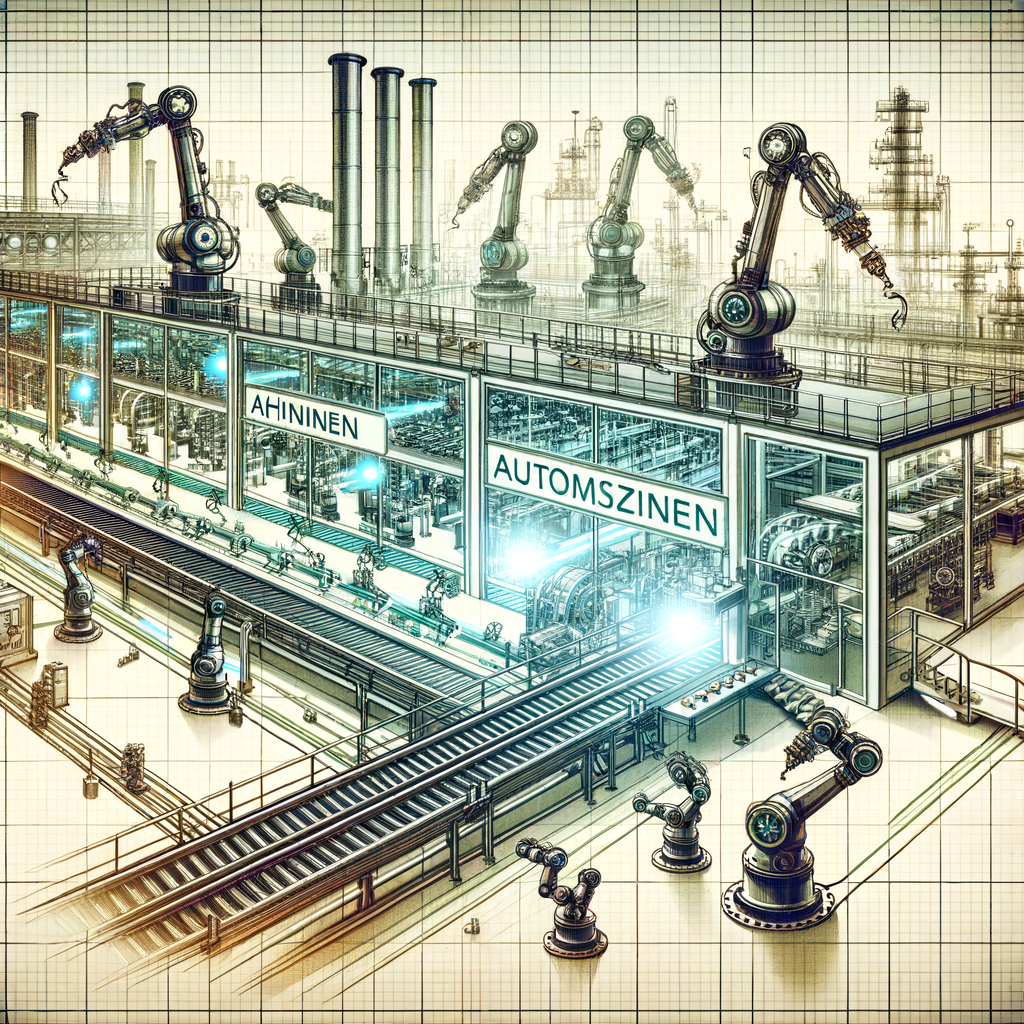
Die Automatisierung von Anlagen hat sich in den letzten Jahren als unverzichtbare Strategie erwiesen, um die Effizienz und Produktivität in der industriellen Fertigung erheblich zu steigern. In einer Zeit, in der modernes Engineering und fortschrittliche Technologien im Mittelpunkt stehen, ist die Frage nicht mehr, ob man Anlagen automatisieren sollte, sondern wie man dies am besten umsetzen kann. Die Investition in Automatisierungstechnologien bietet Unternehmen immense Vorteile, darunter die Reduzierung von Fehlern, die Senkung der Betriebskosten und die Erhöhung der Produktionseffizienz. Diese Vorteile sind besonders wichtig in einem globalen Wettbewerbsumfeld, in dem Schnelligkeit und Präzision bedeutende Wettbewerbsvorteile darstellen.
Hinweis zu AI-generierten Inhalten: Die Inhalte dieses Blogs werden mithilfe fortschrittlicher künstlicher Intelligenz erstellt. Obwohl wir uns bemühen, Ihnen stets präzise und nützliche Informationen zu bieten, kann es vorkommen, dass Fragen oder Unklarheiten bestehen bleiben. In solchen Fällen stehen Ihnen unsere Experten gerne zur Verfügung. Zögern Sie nicht, uns über die unten aufgeführten Kontaktmöglichkeiten zu erreichen. Unsere Spezialisten sind wahre Kenner ihres Fachs und helfen Ihnen gerne weiter!

Kontaktmöglichkeiten:

Feedback-Formular: Formular Ausfüllen
E-Mail: vertrieb@graef-gruppe.de
Telefon: +493069202294
Wir freuen uns auf Ihre Rückfragen und darauf, Ihnen bei jedem Anliegen behilflich zu sein!
Anlagen automatisieren im Kontext der Industrie 4.0
Im Zeitalter der Industrie 4.0 ist die Automatisierung von Anlagen zu einer grundlegenden Voraussetzung geworden, um wettbewerbsfähig zu bleiben. Unternehmen integrieren zunehmend intelligente Technologien, um Produktionsprozesse zu optimieren. Hierbei spielen das Internet der Dinge (IoT) und künstliche Intelligenz (KI) eine zentrale Rolle. Diese Technologien ermöglichen nicht nur eine effektive Überwachung, sondern auch die vorausschauende Wartung von Maschinen, was wiederum den Wartungsaufwand reduziert und Stillstandszeiten minimiert.
Beispiele für erfolgreiche Implementierungen
- Ein führender Automobilhersteller hat durch die Automatisierung seiner Fertigungsstraße eine Produktivitätssteigerung von 25 % erzielt.
- In der chemischen Industrie konnte ein Unternehmen durch den Einsatz von IoT-Sensoren den Energieverbrauch um 15 % senken.
Die Vorteile von Anlagen automatisieren
Die Entscheidung, Anlagen zu automatisieren, bringt zahlreiche Vorteile mit sich, die weit über die bloße Optimierung hinausgehen. Dazu zählt etwa die Steigerung der Sicherheit, da automatisierte Systeme in gefährlichen Umgebungen menschliche Arbeitskräfte ersetzen können. Des Weiteren ermöglicht Automatisierung eine erhebliche Kosteneinsparung durch die Reduzierung von Abfall und die Verbesserung der Ressourcennutzung.
Wesentliche Statistiken und Fakten
- Forscher haben herausgefunden, dass automatisierte Anlagen die Betriebskosten um durchschnittlich 30 % senken können.
- Laut einer Studie der International Society of Automation planen über 60 % der Hersteller, ihre Automatisierung in den nächsten fünf Jahren zu erhöhen.
Herausforderungen beim Automatisieren von Anlagen
Trotz der vielen Vorteile gibt es auch Herausforderungen, die es zu bewältigen gilt, wenn es um die Automatisierung von Anlagen geht. Eine der größten Hürden ist die anfängliche Investition, die für viele Unternehmen eine bedeutende finanzielle Belastung darstellt. Darüber hinaus erfordert die Implementierung dieser Technologien qualifizierte Fachkräfte, die oft schwer zu finden sind.
Lösungsansätze und Strategien
Unternehmen können diesen Herausforderungen durch gezielte Schulungen und Kooperationen mit Technologieanbietern begegnen. Auch staatliche Förderprogramme können dazu beitragen, die finanzielle Belastung zu mindern.
Die Automatisierung von Anlagen ist zweifellos ein entscheidender Schritt für Unternehmen, die in der modernen Wirtschaft wettbewerbsfähig bleiben wollen. Trotz der anfänglichen Herausforderungen führt die Implementierung moderner Automatisierungstechnologien zu erheblichen Effizienzsteigerungen und langfristigem Wachstumspotenzial. Unternehmen, die diesen Wandel vorantreiben, können erhebliche Vorteile in Bezug auf Produktivität, Kosteneffizienz und Innovationskraft erzielen. Mit der richtigen Strategie und den passenden Technologien ist die Automatisierung von Anlagen eine unverzichtbare Investition in die Zukunft.