
Alarmanlagen für Krankenhäuser: Sicherheit und Schutz für Patienten und Personal
"Alarmanlage Krankenhaus: Gewährleisten Sie höchste Sicherheit und Schutz für Patienten und Personal mit unseren zuverlässigen Alarmanlagen."
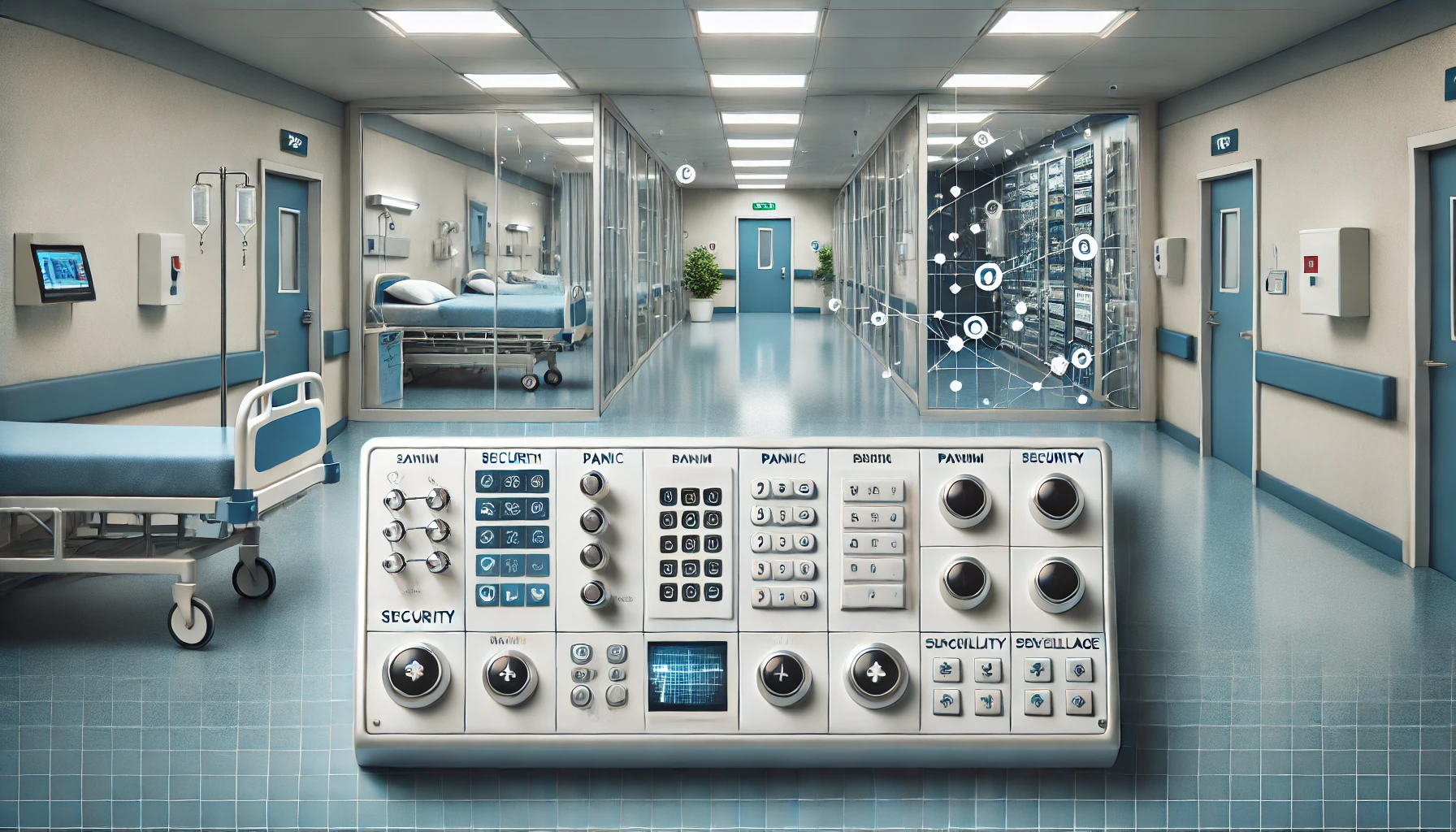
In der heutigen Zeit ist die Sicherheit in Krankenhäusern ein zentrales Thema. Mit der steigenden Anzahl von Patienten und Personal, sowie der zunehmenden Komplexität der medizinischen Geräte, ist es unerlässlich, dass Krankenhäuser über effektive Alarmanlagen verfügen. Eine gut konzipierte Alarmanlage im Krankenhaus kann dazu beitragen, die Sicherheit und den Schutz von Patienten und Personal zu gewährleisten.
Die Bedeutung von Alarmanlagen im Krankenhaus
Die Alarmanlage im Krankenhaus spielt eine entscheidende Rolle bei der Gewährleistung der Sicherheit aller Beteiligten. Sie dient nicht nur dem Schutz vor externen Bedrohungen wie Einbrüchen oder Vandalismus, sondern auch der Überwachung von Patienten und der Gewährleistung ihrer Sicherheit. Darüber hinaus können Alarmanlagen auch dazu beitragen, medizinische Notfälle schnell zu erkennen und darauf zu reagieren.
Arten von Alarmanlagen für Krankenhäuser
Es gibt verschiedene Arten von Alarmanlagen, die in Krankenhäusern eingesetzt werden können. Dazu gehören:
- Einbruchmeldeanlagen: Diese Systeme erkennen unerlaubte Zugriffe und senden im Falle eines Einbruchs einen Alarm aus.
- Brandmeldeanlagen: Sie erkennen Rauch oder Feuer und lösen im Notfall einen Alarm aus.
- Notrufsysteme: Diese Systeme ermöglichen es Patienten und Personal, im Notfall schnell Hilfe zu rufen.
- Medizinische Überwachungssysteme: Sie überwachen den Gesundheitszustand der Patienten und lösen bei Abweichungen einen Alarm aus.
Die Vorteile von Alarmanlagen im Krankenhaus
Die Implementierung einer Alarmanlage im Krankenhaus bietet eine Reihe von Vorteilen. Erstens erhöht sie die Sicherheit von Patienten und Personal. Durch die frühzeitige Erkennung von Gefahren können rechtzeitig Maßnahmen ergriffen werden, um Schäden zu verhindern oder zu minimieren. Zweitens verbessert sie die Effizienz des Personals. Durch die automatische Überwachung von Patienten und Räumlichkeiten kann das Personal sich auf andere wichtige Aufgaben konzentrieren. Drittens trägt sie zur Einhaltung von Vorschriften bei. Viele Länder haben strenge Vorschriften für die Sicherheit in Krankenhäusern, und eine Alarmanlage kann dazu beitragen, diese Vorschriften einzuhalten.
Best Practices für die Implementierung von Alarmanlagen im Krankenhaus
Bei der Implementierung einer Alarmanlage im Krankenhaus sollten einige Best Practices beachtet werden. Erstens sollte eine Risikoanalyse durchgeführt werden, um die spezifischen Bedürfnisse und Anforderungen des Krankenhauses zu ermitteln. Zweitens sollte das System regelmäßig gewartet und aktualisiert werden, um sicherzustellen, dass es effektiv funktioniert. Drittens sollte das Personal geschult werden, um sicherzustellen, dass es weiß, wie das System zu bedienen ist und wie auf Alarme zu reagieren ist.
Alarmanlage Krankenhaus: Ein Fallbeispiel
Ein gutes Beispiel für die erfolgreiche Implementierung einer Alarmanlage in einem Krankenhaus ist das Universitätsklinikum Hamburg-Eppendorf in Deutschland. Das Krankenhaus hat ein umfassendes Sicherheitssystem implementiert, das unter anderem eine Einbruchmeldeanlage, eine Brandmeldeanlage und ein Notrufsystem umfasst. Dieses System hat dazu beigetragen, die Sicherheit von Patienten und Personal zu erhöhen und die Effizienz des Krankenhausbetriebs zu verbessern.
Alarmanlage Krankenhaus: Sicherheit und Schutz für Patienten und Personal
Zusammenfassend lässt sich sagen, dass eine Alarmanlage im Krankenhaus ein unverzichtbares Instrument zur Gewährleistung der Sicherheit und des Schutzes von Patienten und Personal ist. Durch die Implementierung einer effektiven Alarmanlage können Krankenhäuser potenzielle Gefahren frühzeitig erkennen, schnell auf Notfälle reagieren und einen sicheren und effizienten Betrieb gewährleisten. Daher sollten Krankenhäuser bei der Planung ihrer Sicherheitsstrategie die Implementierung einer Alarmanlage in Betracht ziehen.