

 Deutsch
Modernizing an existing video surveillance system does not necessarily mean replacing all the cameras or creating new wiring routes. With the Ajax Superior NVR H2D Existing IP cameras can be integrated into the Ajax ecosystem and supplemented with central management and AI-based analysis functions. This is particularly relevant for residential complexes, commercial properties, logistics facilities, and other locations where camera technology is already installed.
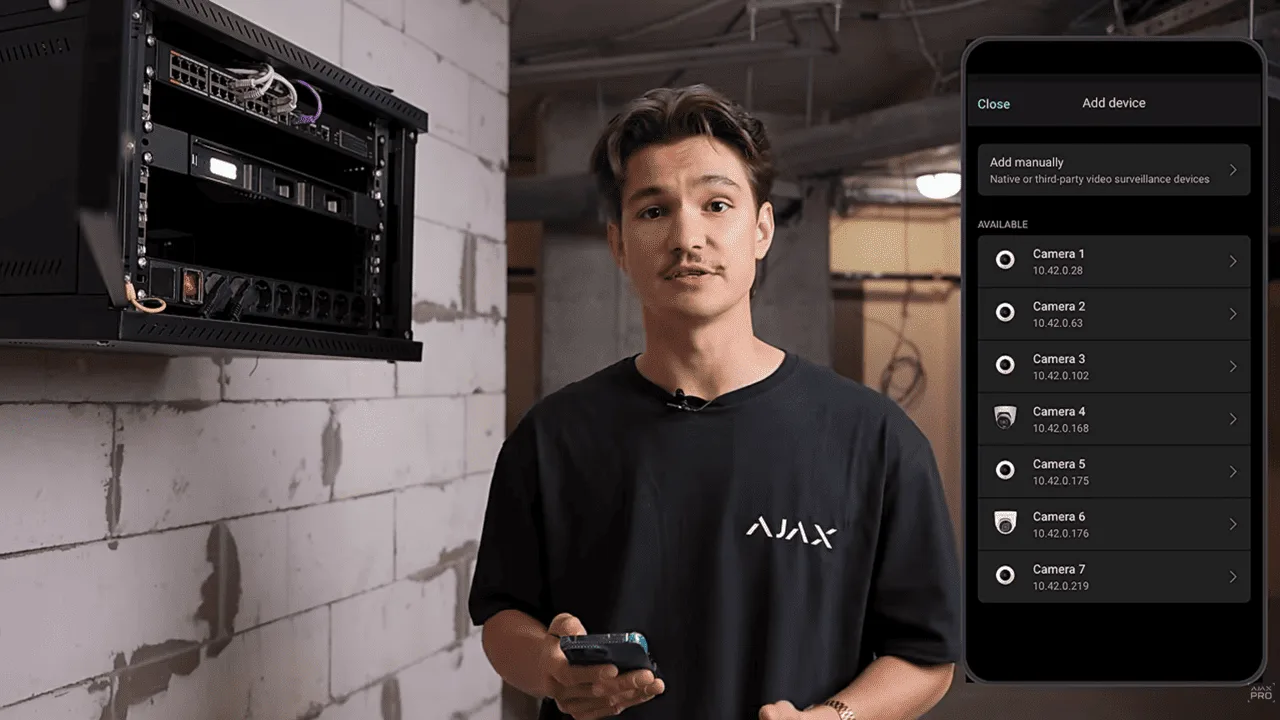
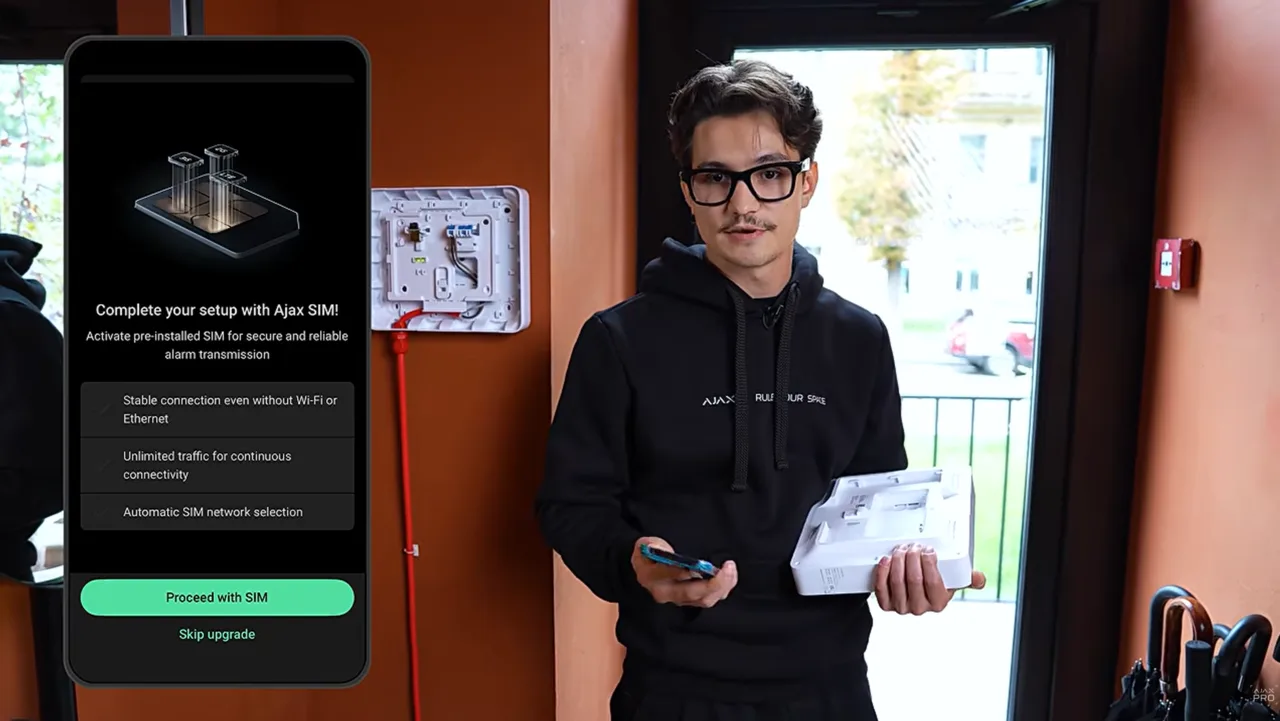
The Ajax PRO video shows the integration into a real residential complex with existing cameras from a third-party provider. The approach: The existing infrastructure is further utilized, while the network video recorder centrally manages the camera images and provides additional functions for event analysis. This creates a seamless process – from connecting the camera to the recorder to management in the Ajax PRO app. Ajax PRO Video for the Superior NVR H2D.
Continue using existing cameras instead of replacing them completely
Many buildings already have IP cameras; replacing them would not be economically or organizationally feasible. The cameras may be technically functional, but they lack a unified user interface, structured event rules, or modern analysis capabilities. This is exactly where the Ajax Superior NVR H2D comes in.
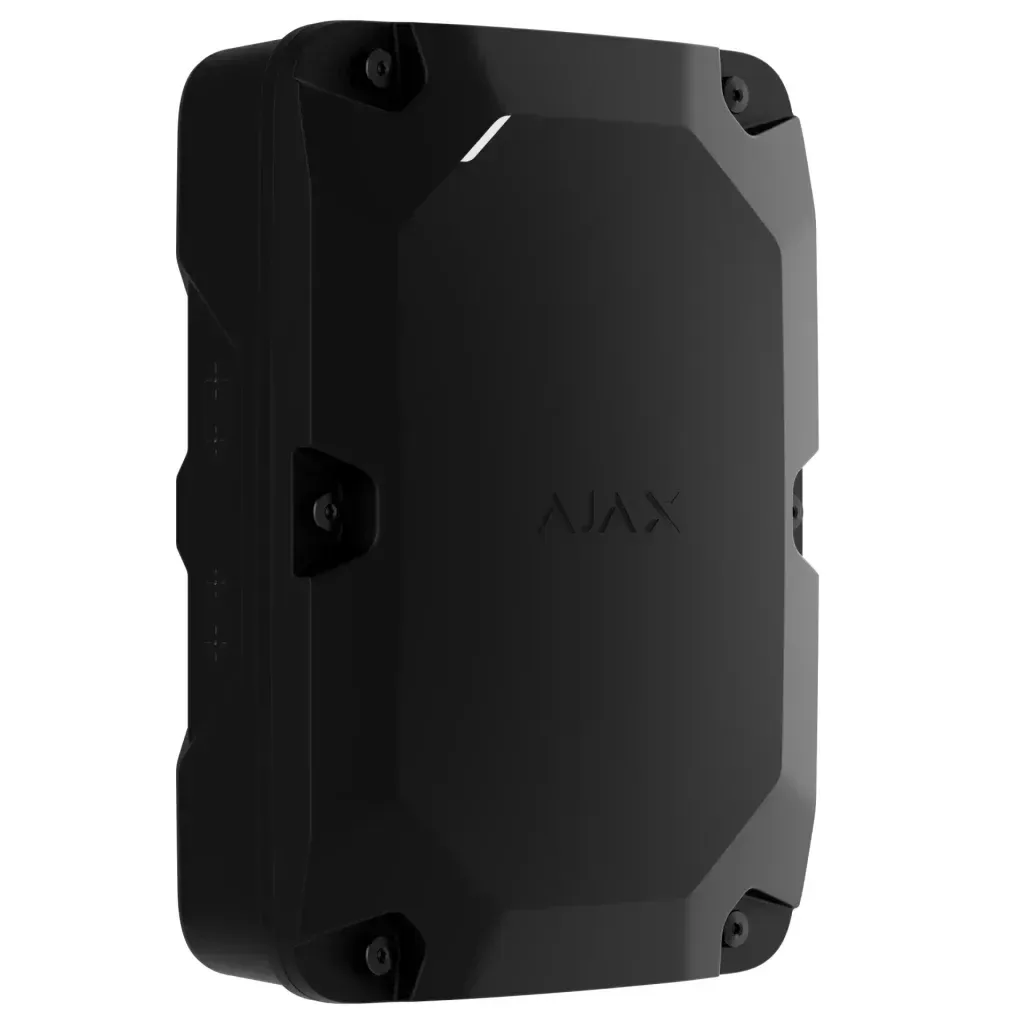
The NVR is designed as a central unit for video recording and camera integration. In the configuration shown, existing cameras are connected to the device via Ethernet using the PoE ports. This allows the recorder to directly power the connected cameras and connect them to the local network. However, for a professional installation, the power consumption of the cameras, the network topology, and the total available power must be carefully evaluated.
The Ajax Superior NVR H2DAI16PAC is designed to connect up to 16 cameras. The cameras can be automatically detected in the network after adding an NVR using its QR code. If devices are located in different networks, they can also be integrated manually via IP address, username, and password in the shown procedure.
Two video streams for recording and analysis
To efficiently process video data, the system operates with a main stream and a sub stream. The main stream is intended for archive recording. The sub stream supports the live view in the Ajax applications as well as the AI-based object recognition. Through this division, image quality, archiving, and analysis can be processed according to their respective tasks.
The NVR supports two SATA-III hard drives that can be swapped during operation. Depending on the selected operating mode, recordings can be mirrored for storage or the available archive capacity can be divided. A local display is possible via the HDMI connection; USB interfaces are used, among other things, to connect peripherals and export archive material.
- Integration of existing IP cameras via Ethernet and PoE
- Connection of up to 16 cameras to the Ajax Superior NVR H2DAI16PAC
- Automatic recognition or manual integration of cameras
- Mainstream for archive recording and substream for preview and analysis
- Local image output via HDMI and export options via USB
- Two hard drive slots for different archiving strategies
AI video analysis for clearly defined security events
Video surveillance is particularly valuable when relevant events can be distinguished from everyday movements. The Ajax Superior NVR H2D can complement the integrated cameras with AI-based object detection. The system can differentiate between people, vehicles, and pets. This creates a foundation for targeting notifications and simplifying the evaluation of video material.
In the video, for example, a virtual line is defined along a property boundary. If a person crosses this line, a notification can be triggered. This function is suitable for clearly defined transitions such as fences, entrances, passageways, or restricted areas. A precise configuration is crucial: the line and the corresponding detection direction must match the actual movement patterns on the property.
Vehicle detection for entrances and parking areas
Another demonstrated example concerns the monitoring of a parking lot. Within a defined zone, the system detects vehicles and can report an event in real time. This can be relevant where access routes, parking spaces, delivery areas or temporarily closed areas need to be monitored.
AI detection does not replace professional security planning. Camera angles, lighting conditions, viewing axes, distance to the monitored area, and possible obstructions all influence the quality of the evaluation. Therefore, the position of each camera should be examined just as carefully as the precise definition of lines and zones. The GRAEF Group assists in planning suitable solutions for Modern security technology and its object-related implementation.
Targetly use AI rules
The more concretely a line, zone, or object class is defined, the better it is at reducing the number of non-relevant events. Security rules should therefore be tailored to actual risks and usage times – not just to technically possible features.
Manage video surveillance and alarm technology in one interface
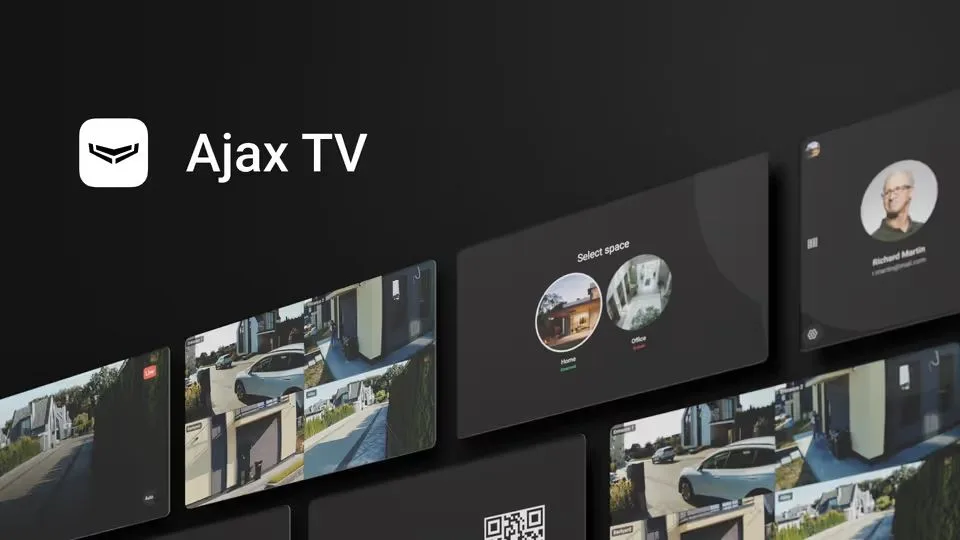
An essential advantage of integrating into the Ajax ecosystem lies in the shared management of various security components. In the Ajax PRO Desktop, cameras and locations can be combined into a video wall. Camera images can be arranged in a custom grid view using drag-and-drop, allowing administrators to quickly keep relevant areas in view.
The search in the video archive is also supported by event filters. Recordings can be filtered by date, time, and recognized object types. For example, if only events involving people are to be viewed, the search can be narrowed accordingly. A synchronized timeline also enables the parallel playback of multiple camera channels.
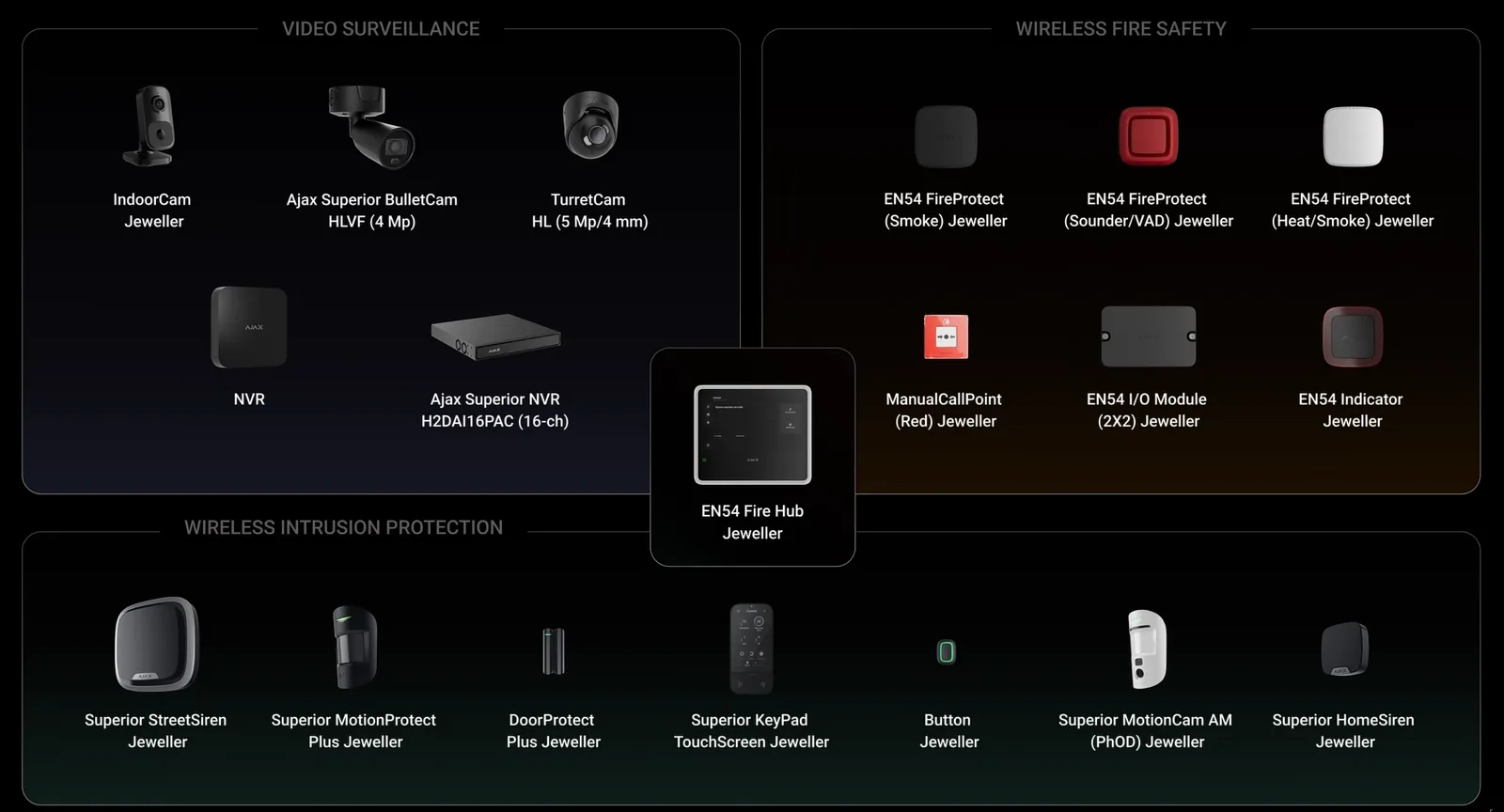
The solution becomes particularly effective when video surveillance is combined with other components. In the scenario shown, a recognized person can activate lighting via a relay or light switch. Similarly, camera events can be linked to signals from other security devices: For example, if a door contact is opened and motion is detected at the same time, the operator can receive a push notification with an associated video clip.
More information
- Professionally plan and advise on security technology
- Security technology in the GRAEF Group online shop

Contributions from the practical experience of our installers, project managers and software developers. The group is led by founder Peter Gräf, a DGuSV-certified expert in security technology.
Our team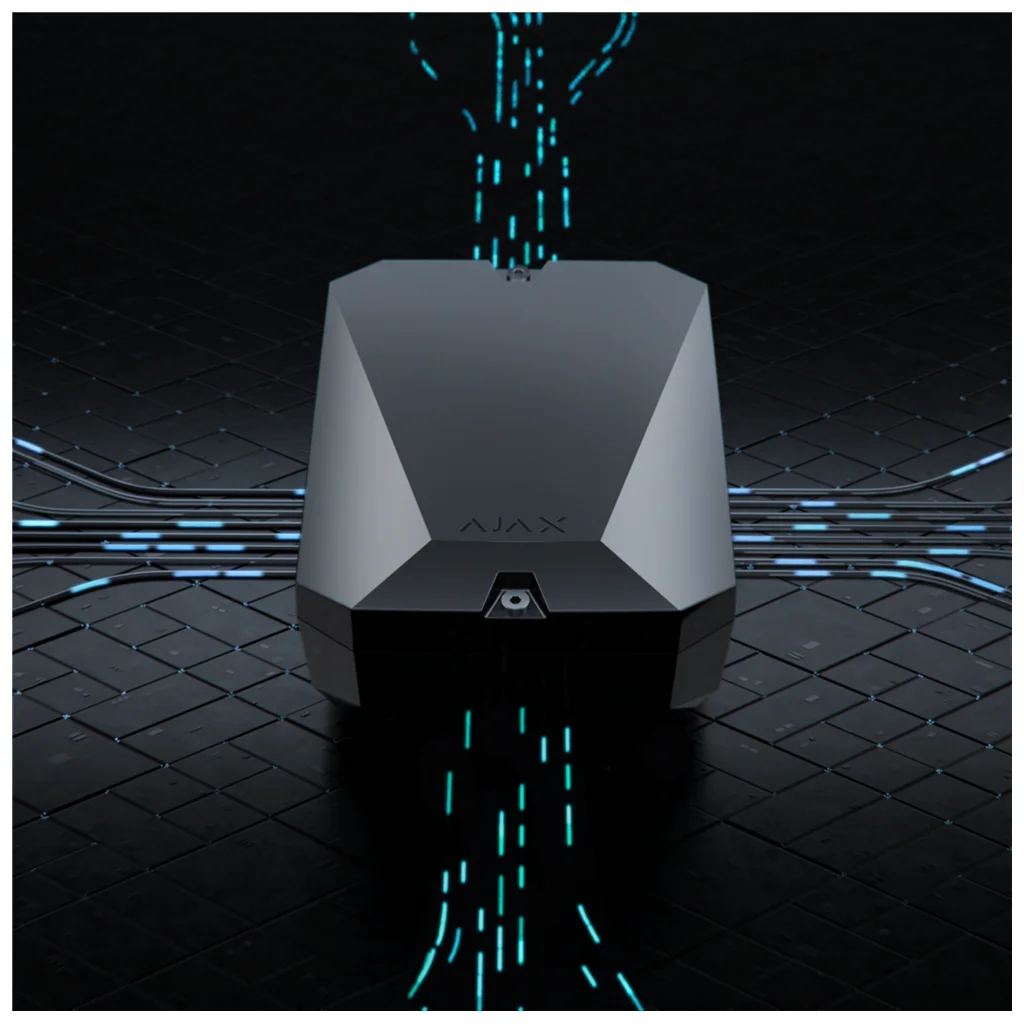
 German
 English