

 Deutsch
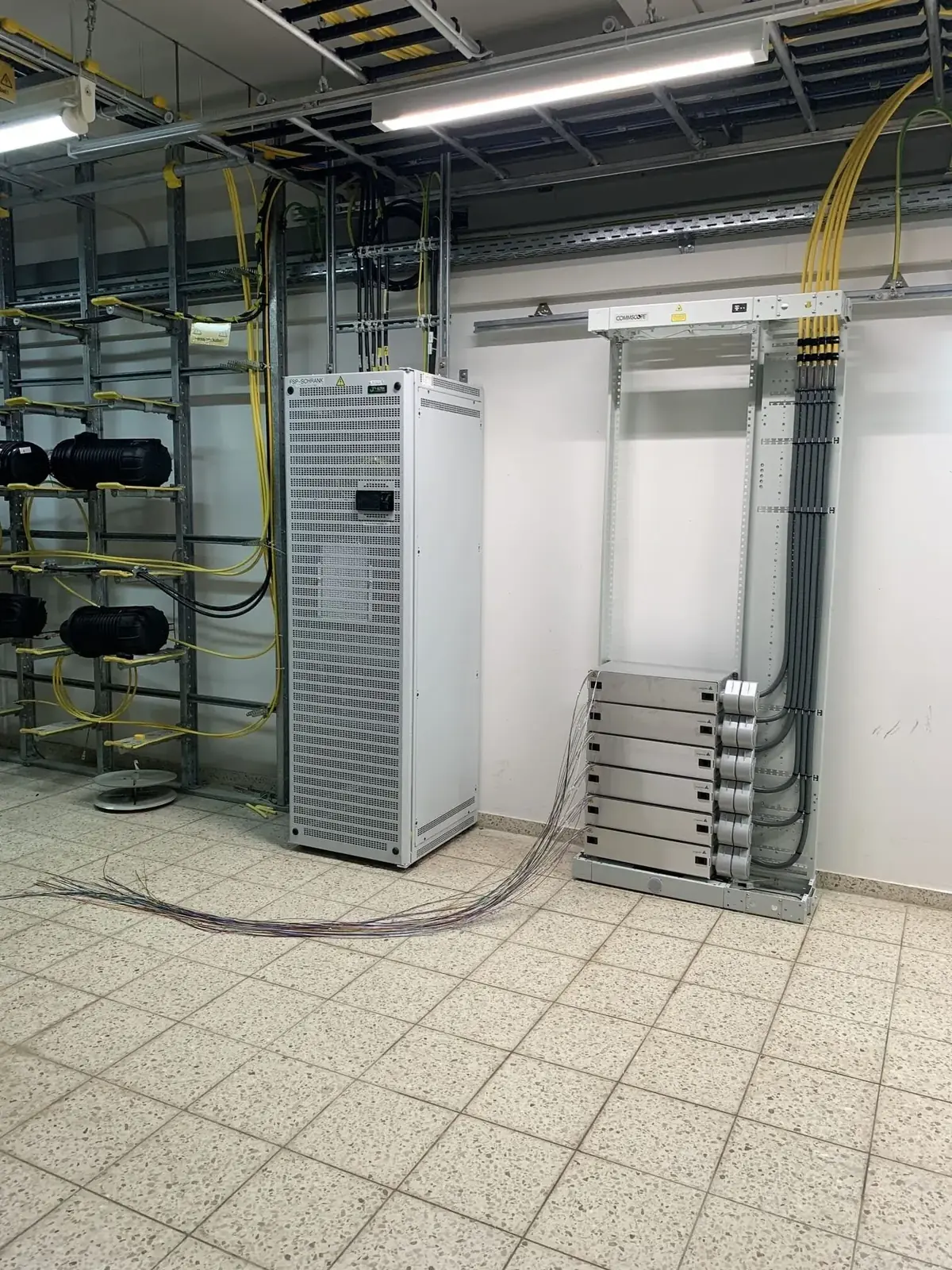
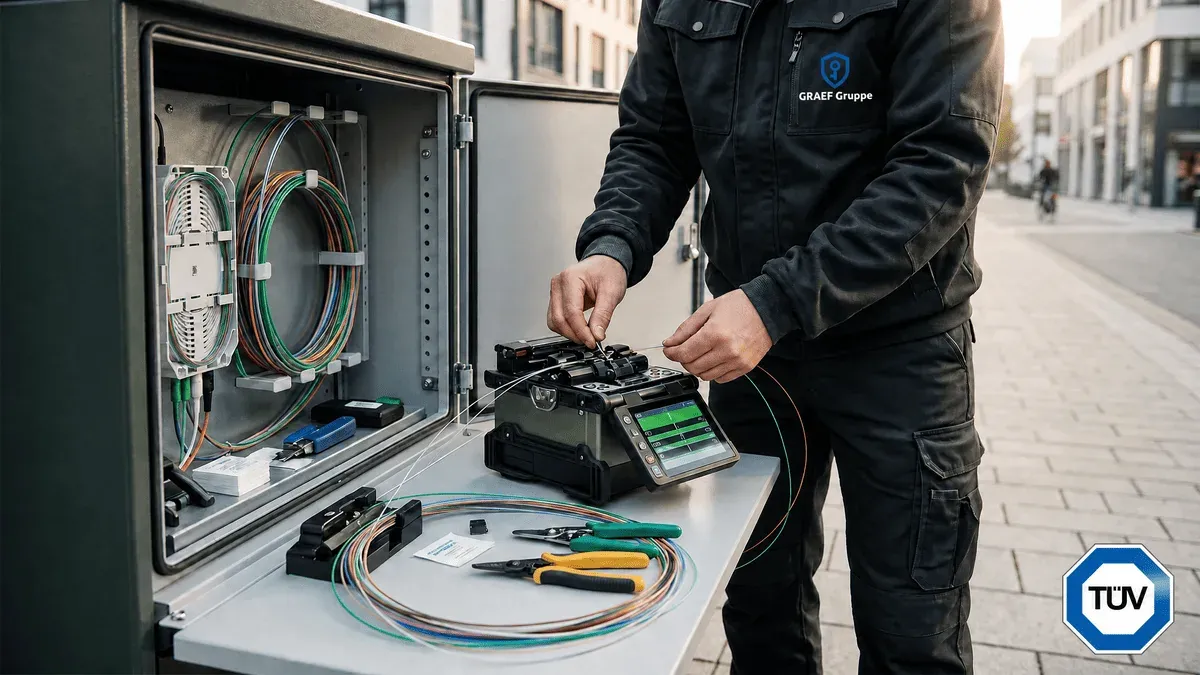
The construction and expansion of fiber optic networks require precise technical execution to meet the high data transmission rates required by the Telekom network. As part of this project, the GRAEF Group undertook the complete installation of the fiber optic components. This includes not only the physical laying of the cables, but also the complex integration into existing network structures as well as the proper assembly of the necessary hardware components at the technical sites.
An essential aspect of these works is the handling of the optical waveguides (LWL), which due to their nature require extremely careful treatment. Each step of the process, from preparing the cable ends to the final measurement, must be performed under cleanroom conditions or at least in an extremely clean environment to avoid signal losses due to contamination at the fiber ends.
Installation and configuration of building unit supports
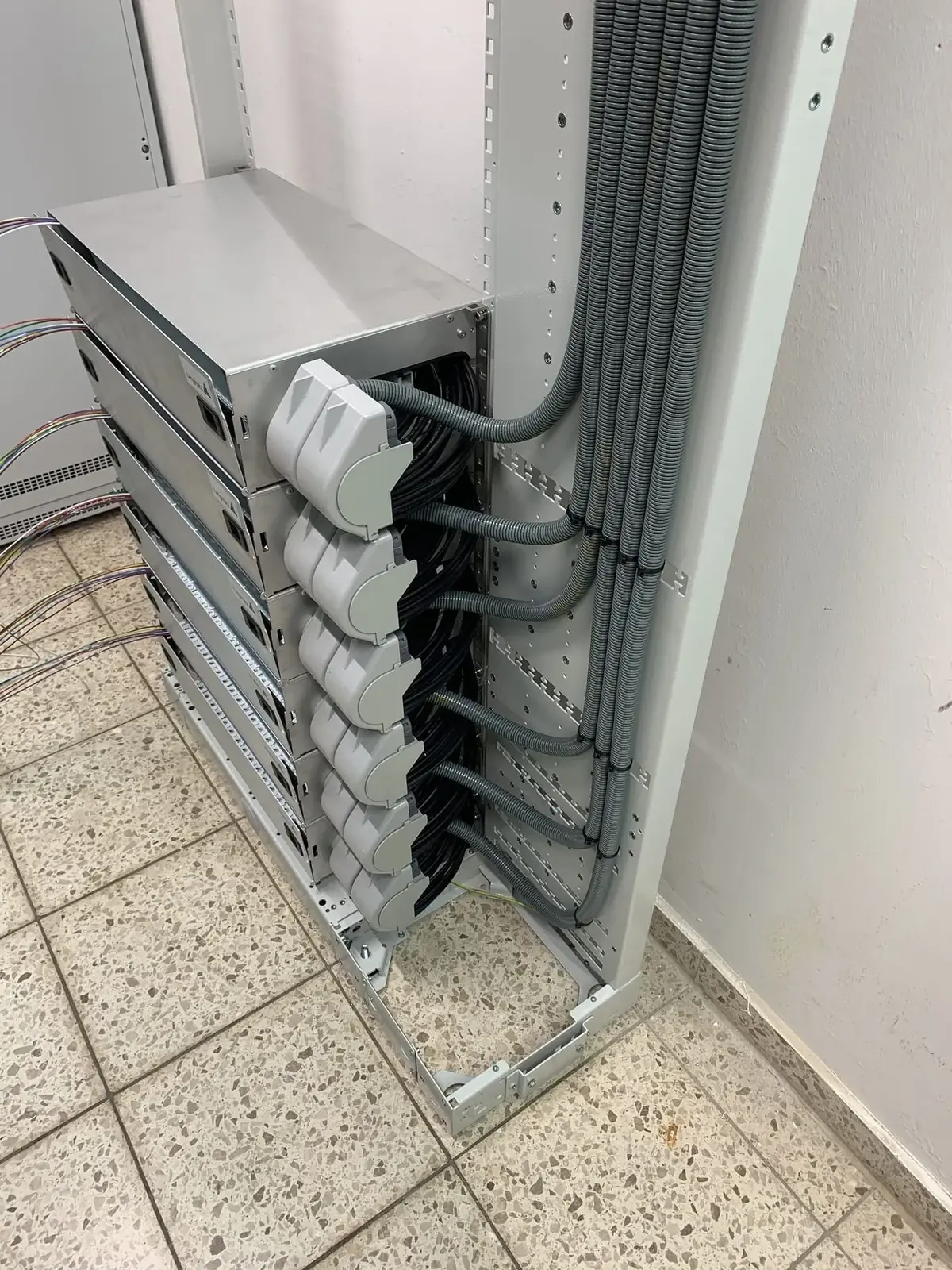
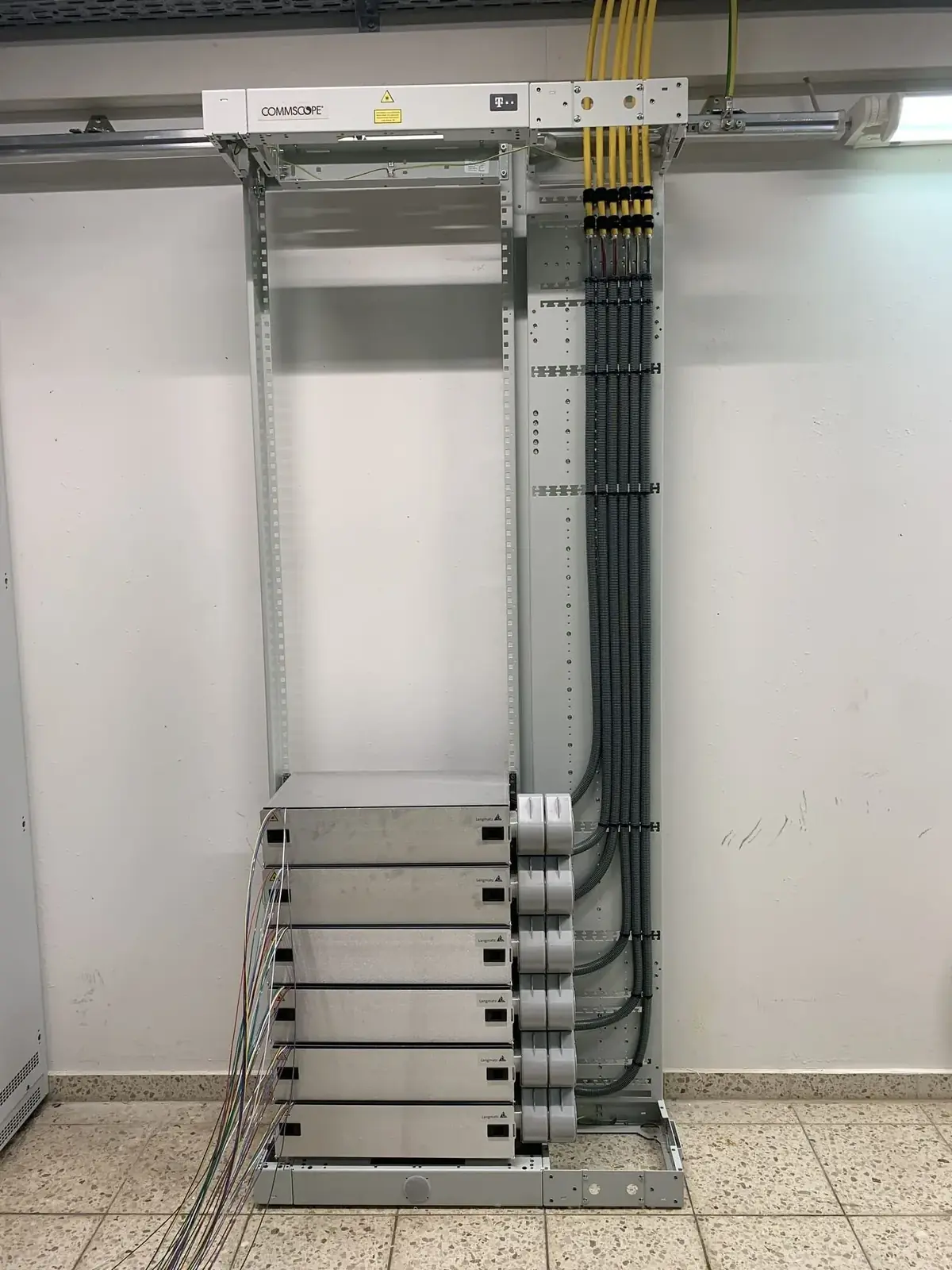
A central component of the work was the assembly and installation of component carriers in the corresponding network cabinets. These units serve as central hubs for distributing the fiber optic signals. The GRAEF Group installed systems here that enable a high density of fiber bundles while simultaneously ensuring a clear cable routing. The component carriers were precisely integrated into the rack systems, taking care to ensure optimal thermal relief and mechanical stability.
Within these carrier systems, the splice cassettes are accommodated. Each cassette must be configured so that the optical fibers are deposited without mechanical tension and in strict compliance with the allowable bending radii. A too narrow bending radius would lead to increased attenuation or, in the worst case, to the breakage of the fiber. The structured placement within the modular carrier system is also a prerequisite for subsequent maintenance work or network expansion, as each individual fiber must be uniquely identifiable and accessible.
Precise splicing of the optical waveguides
Bonding the glass fibers represents the most technically demanding part of the assembly. In this process, the individual fibers of the telecommunications feeder cables were permanently connected to the pigtails in the splice cassettes. The GRAEF Group used modern fiber optic fusion splicers to achieve this. These devices automatically center the fiber cores during the process. This process enables an almost lossless transmission of the light signal. Each individual splicing process was immediately checked after completion to ensure that the attenuation values comply with the strict tolerances specified by the telecommunications specifications.
After splicing, the connection points are fixed in the cassettes using special splice protection brackets. These protect the sensitive weld area from moisture and mechanical influences. Documentation of each splice is an integral part of the process to ensure the traceability of each connection throughout the entire network section.
Installation and protection of the fiber optic cables
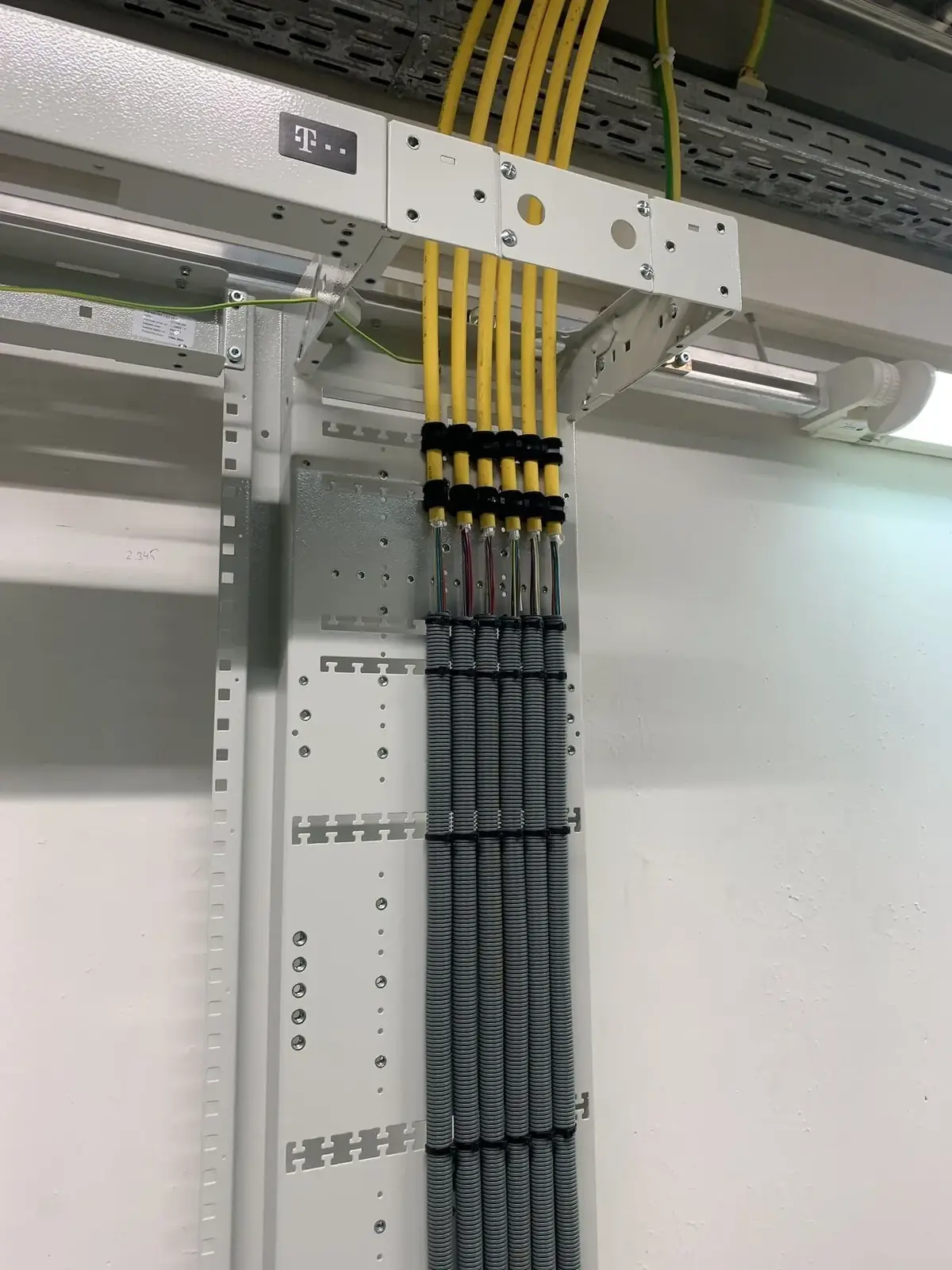
The fiber optic cables were fed to the building unit supports via specialized guiding systems and cable ducts. These protective systems prevent the cables from being pinched or excessively stretched during work in the cabinet. The GRAEF Group paid particular attention during installation to separating the power and data lines to eliminate electromagnetic interference, although fiber optic cables themselves are immune to electromagnetic interference. Nevertheless, a clean separation serves the overall safety of operation and the clarity of the system.
The yellow LWL cables that can be seen on the project sites have been grouped together in bundleable systems and loaded onto the entry points of the building support structures. This load reduction is essential so that in the event of vibrations or movements in the room, no forces can act directly on the splice connections. Each bundle of cables was marked according to the configuration plan of the telecommunications company, which enables quick error diagnosis in the event of a fault.
Contributions from the practical experience of our installers, project managers and software developers. The group is led by founder Peter Gräf, a DGuSV-certified expert in security technology.
Our team
 German
 English